

Most adults who are missing teeth are candidates for dental implants. Through the Smile Savers dental implant program, implant dentists at participating offices across Texas have the diagnostic tools and surgical experience to help most patients qualify, even when bone loss is present.
When jawbone volume or density is low, your team can rebuild bone with grafting or recommend zygomatic dental implants, which anchor in the cheekbone to restore missing upper teeth.


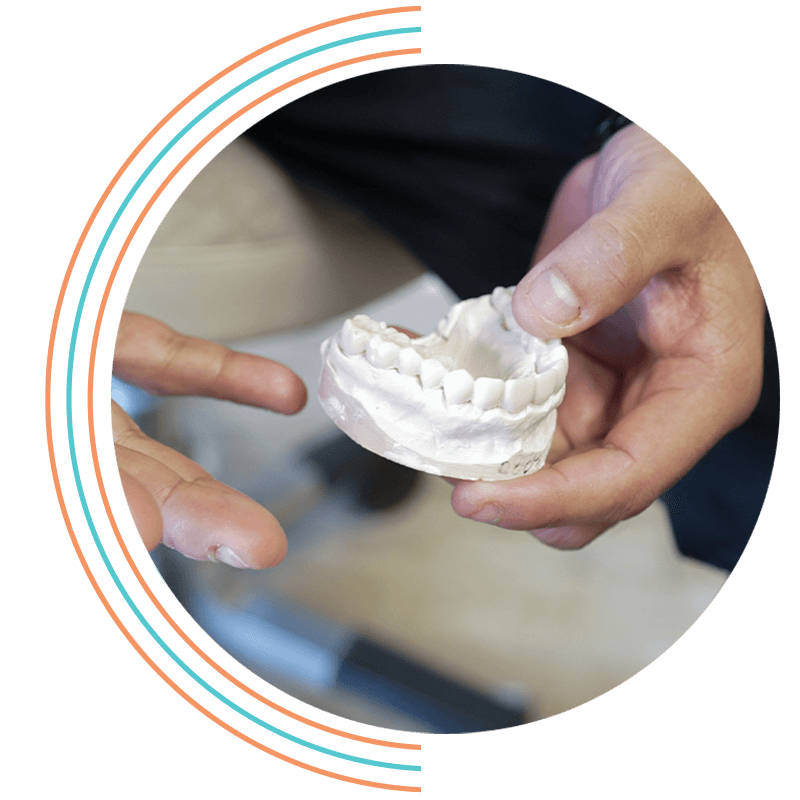
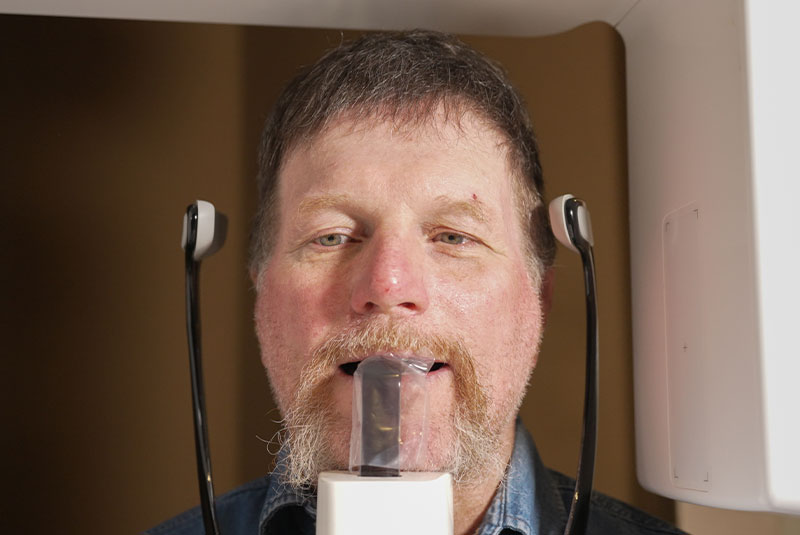
Your evaluation begins with a thorough exam of your teeth, gums, and jawbone. Digital X-rays and a 3D cone beam CT scan create detailed images of your bone, nerves, and sinuses. These images show whether you have enough bone volume and density to support dental implants, and they reveal any problems that need care first.

Next, your implant team reviews your medical and dental history, including medications, past procedures, and any conditions that could affect healing. You also talk about your goals for your smile. This comprehensive approach of the Smile Savers program helps lower surgical risks and sets you up for the best possible result.
With all the information gathered, your team designs a treatment plan around your needs. If you need gum disease treatment or bone grafting first, those steps are built into your plan. You receive a written plan with your timeline and total cost, and your team guides you through every phase until your new smile is complete.


Dental implants are among the most advanced treatments in dentistry, and deciding who qualifies takes the right diagnostic skills, surgical training, and experience. Cases involving many missing teeth, severe bone loss, oral infections, or medical conditions call for highly qualified clinicians.
The Smile Savers program was cofounded by prosthodontists Dr. Gunjan Dhir and Dr. Gaurav Puri, and experienced implant dentists such as Dr. John Norwood handle even complex cases at participating offices, using proven techniques that support long lasting results. Meet the Smile Savers implant specialists.

Becoming a dental implant candidate starts with a consultation. Even if you have health challenges or significant bone loss, implant dentists at participating offices across Texas can often create a path forward with options such as All on 4 style and All on 6 style full arch dental implants.
Your team takes time to understand your goals, whether that is eating the foods you love, smiling with confidence, or feeling comfortable in social settings. Every plan is tailored to your function, appearance, lifestyle, and budget, with clear dental implant costs and implant financing options explained up front.

Many health conditions delay dental implants rather than prevent them. With the right preparation and a careful review of your health history, most patients with common conditions can still qualify. Here is how the most frequent concerns are usually handled.
| Condition | Can I Still Get Implants? | What Your Team May Recommend |
|---|---|---|
| Diabetes | Usually yes, when it is well controlled | Work with your physician to keep blood sugar stable before and after surgery |
| Smoking | Often yes, though the risk of implant failure is higher | Quit or cut back before surgery and throughout healing |
| Gum disease | Yes, after it is treated | Gum disease therapy first, then implant placement |
| Bone loss | Often yes | Bone grafting, angled full arch implants, or zygomatic implants |
| Osteoporosis medication | Often yes, after careful review | Share your full medication history so your team can coordinate with your physician |
| Heart conditions or blood thinners | Often yes | Your team reviews your medications and may consult your physician. Never stop a medication without your doctor's approval |
| Long term denture wear | Yes | A 3D scan shows how much bone remains and which implant option fits best |
Waiting does not mean you can never have implants. Once the condition is treated or stable, your implant team can reevaluate you.
If you answered yes to most of these questions, you are likely a good candidate for dental implants in Texas. A consultation with 3D imaging is the only way to know for certain.
Schedule your candidacy evaluation at a participating Smile Savers office. Most offices are open Monday through Friday from 9 in the morning until 5 in the afternoon.
You are likely a candidate if you are an adult missing one or more teeth, your general health is stable, and you are willing to care for your implants. A consultation with a 3D cone beam CT scan confirms whether you have enough bone and whether any treatment is needed first.
Yes, in most cases. People with well controlled diabetes can get dental implants. Uncontrolled diabetes slows healing and raises the risk of infection, so your team may ask you to work with your physician to stabilize your blood sugar before surgery.
Often, yes. Smoking does not automatically rule you out, but it slows healing and raises the risk of implant failure. Quitting or cutting back before surgery and during healing greatly improves your chances of long term success.
Yes, once the gum disease is treated. Active gum disease must be brought under control before implant surgery, because infection can damage the bone that supports your implants. Your treatment plan builds in gum therapy first when it is needed.
Yes. Many long term denture wearers switch to implants. Years without teeth can cause bone loss, but bone grafting, angled implants, or full mouth dental implants designed for reduced bone often make treatment possible.
Ask for a second opinion. Through the Smile Savers program, patients with severe upper jaw bone loss may qualify for zygomatic implants for severe bone loss, which anchor in the cheekbone instead of the upper jaw.
Often, yes, but it requires careful review. Some osteoporosis medications can affect how the jawbone heals, so share your full medication history. Your implant team may coordinate with your physician to plan treatment safely.
Your candidacy evaluation includes an oral exam, digital X-rays, and a 3D cone beam CT scan that measures your bone and shows your nerves and sinuses, plus a review of your medical history. Learn more about what to expect when getting dental implants.
