
Dental Implants in Texas
Life Changing Dental Implants Close to Home Across Texas

"I Almost Lost My Life to a Dental Infection."
"I Almost Lost My Life to a Dental Infection."
What Are Dental Implants and How Do They Restore Your Smile?
Dental implants are small posts, usually made of titanium, that replace the roots of missing teeth and support natural looking crowns, bridges, or full arches of teeth. Through the Smile Savers dental implant program, adults can get dental implants in Texas at 31 participating offices close to home, whether they are replacing one tooth or rebuilding a complete smile.
Once your implants fuse with your jawbone, they work like natural tooth roots. You can eat your favorite foods again, speak clearly, and smile without worrying about a slipping denture. Learn what to expect when getting dental implants, from your first visit to your final teeth.
What Are the Three Parts of a Dental Implant?
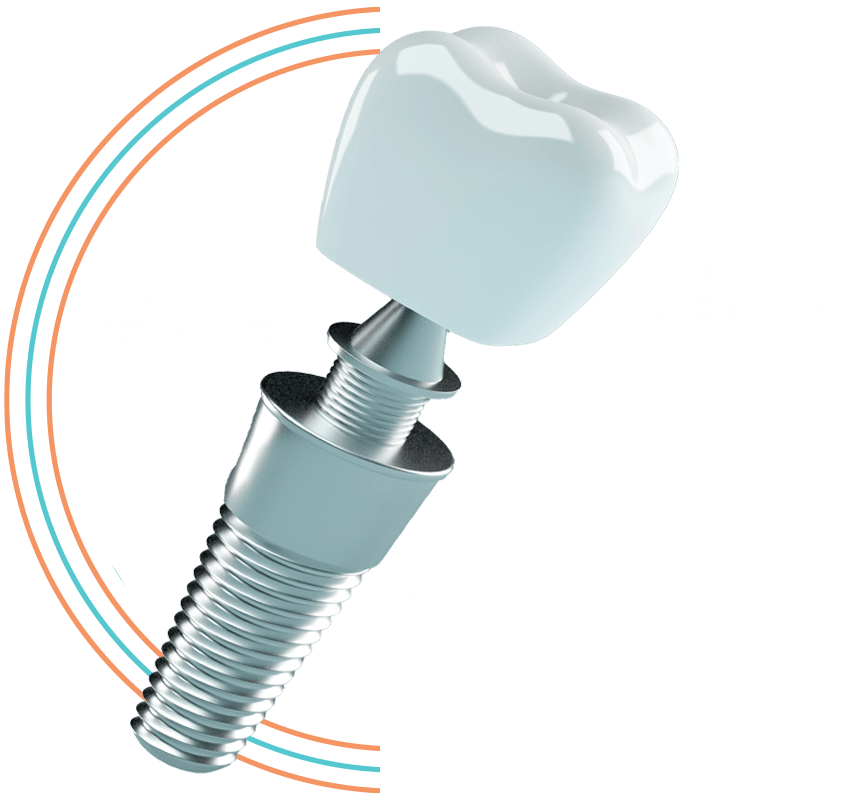
Dental implants are the only tooth replacement option that restores your smile from the roots up. Every dental implant has three parts that work together:
- The implant post, a small post placed in your jawbone that replaces the tooth root
- The abutment, a connector that attaches the post to your new tooth
- The restoration, a custom crown, implant bridge, or full arch prosthesis that you see when you smile
What Are the Benefits of Dental Implants?
- Look, feel, and function like natural teeth
- Restore full chewing power so you can enjoy the foods you love
- Help prevent jawbone loss and preserve your natural facial shape
- Stay firmly in place without the slipping common with dentures
- Protect healthy neighboring teeth from being filed down
- Clean easily with regular brushing and flossing
- Deliver durable, long lasting value compared with other options

What Are the Steps to Getting Dental Implants?
Step 1: Consultation and 3D Planning
Your dental implant journey begins with a consultation at a participating Smile Savers office. Your implant team reviews your health history, listens to your goals, and examines your teeth and gums.
Digital X-rays and a 3D cone beam CT scan show your jawbone, nerves, and sinuses in detail. This scan tells your team whether dental implants are right for you and lets them plan the exact position of each implant before surgery. You leave with a written treatment plan and a clear timeline.

Step 2: Implant Surgery and Temporary Teeth
Your implant sites are fully numbed, and sedation dentistry options such as nitrous oxide, oral conscious sedation, and IV sedation are available to help you relax. Ask your office which options it offers.
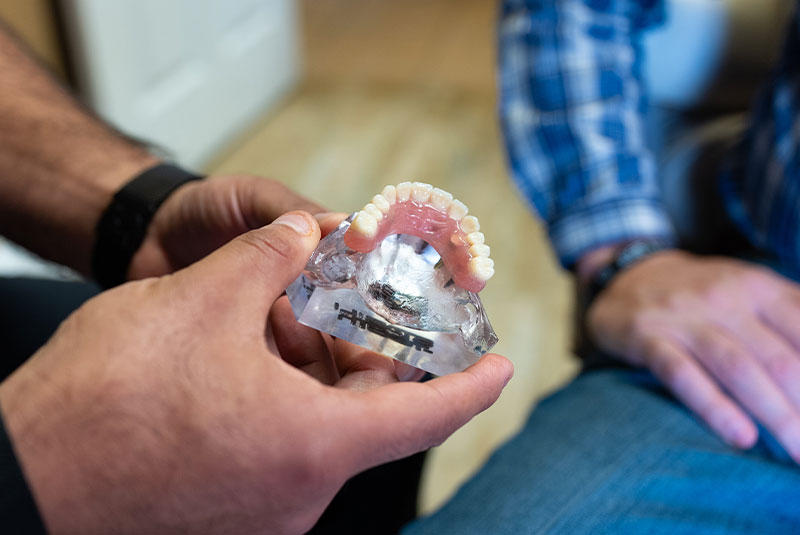
Using your 3D plan, your implant dentist places each implant post in its planned position in your jawbone. For patients getting full mouth dental implants, temporary teeth are usually attached the same day or the next day, depending on your case and office.
Step 3: Healing and Follow Up Visits
Over the next three to six months, your implants gradually bond with your jawbone in a process called osseointegration. Keeping the area clean during this time matters, because plaque buildup can cause an inflammatory condition called peri-implantitis.
At follow up visits, your implant team checks your healing, looks for any signs of inflammation, and makes sure everything is progressing as planned. Follow your post op instructions carefully for the smoothest recovery.

Step 4: Your Final Custom Teeth
Most patients notice soreness and swelling for several days after surgery, and it usually eases within about 10 days with the care instructions your team provides.
Once your implants have fully integrated, your team attaches the abutments if they were not placed during surgery and lets your gums heal briefly. Then you receive your permanent custom crown, bridge, or full arch prosthesis, often crafted from strong, natural looking zirconia. It is the day you get your complete smile back.
Are You a Candidate for Dental Implants?
I Covered My Mouth All the Time
Jan, Upper and Lower Full Arch Dental Implant Patient
Request Your Dental Implant Consultation
I understand the information disclosed in this form may be subject to re-disclosure and may no longer be protected by HIPAA privacy regulations and the HITECH Act.
What Types of Dental Implants Are Available in Texas?
The Smile Savers dental implant program offers every major type of dental implant treatment at participating offices across Texas, so your plan matches your needs, your bone, and your budget.
- Single tooth implants replace one missing tooth without changing the healthy teeth beside it.
- Implant supported bridges replace several missing teeth in a row using two or more implants.
- Implant overdentures snap onto two to four implants for a secure, removable smile. Compare your implant prosthesis options.
- Full arch dental implants replace an entire upper or lower arch on four to six implants. Learn about full arch dental implants.
- Zygomatic implants anchor in the cheekbone for patients with severe upper jaw bone loss. See zygomatic dental implants.
How Much Do Dental Implants Cost in Texas?
The cost of dental implants in Texas depends on how many teeth you are replacing, the type of restoration you choose, and whether you need extractions, bone grafting, or sedation. Your participating office gives you a written treatment plan with your total cost before any treatment begins. Read about dental implant cost and affordability, and explore dental implant financing for monthly payment options.
Who Places Dental Implants in the Smile Savers Program?
Smile Savers was cofounded by prosthodontists Dr. Gunjan Dhir and Dr. Gaurav Puri, specialists in replacing missing teeth, to bring big city implant expertise to small town Texas. Experienced implant dentists such as Dr. John Norwood, a graduate of the Texas A&M University College of Dentistry, plan and place implants at participating offices. Meet the Smile Savers implant specialists or learn more about the Smile Savers program.
Find a participating Smile Savers office close to home. Most offices are open Monday through Friday from 9 in the morning until 5 in the afternoon.
Dental Implant Questions Answered by the Smile Savers Team
What is a dental implant?
A dental implant is a small post, usually made of titanium, that is placed in the jawbone to replace a missing tooth root. Once it fuses with the bone, it supports a crown, bridge, or full arch of replacement teeth that look and function like natural teeth.
How long does the dental implant process take?
For most patients, the process takes about three to six months from implant placement to final teeth, because the implants need time to fuse with the jawbone. Extractions or bone grafting can add time. With full arch treatment, temporary teeth are usually placed the same day or the next day, so you are not without teeth while you heal.
Do dental implants hurt?
The implant area is fully numbed during surgery, so most patients feel pressure rather than pain. Mild soreness and swelling afterward is normal and usually improves within several days. Sedation for dental implant surgery is available for anxious patients.
How long do dental implants last?
With good daily care and regular dental visits, implant posts can last for decades. The crowns, bridges, or full arch teeth attached to them may need repairs or replacement over time depending on wear and the material used.
What is the success rate of dental implants?
Dental implants are one of the most predictable treatments in dentistry, and research commonly reports long term success rates above 95 percent for healthy patients who care for them well. Smoking and uncontrolled diabetes can lower success, so share your full health history with your implant team.
Am I too old for dental implants?
There is no upper age limit for dental implants. Many patients in their seventies and eighties receive implants successfully, because overall health and bone quality matter far more than age.
Can I get dental implants if I have bone loss?
Often, yes. Bone grafting can rebuild lost bone, and full arch techniques place implants where the bone is strongest. For severe upper jaw bone loss, zygomatic implants may be an option. Review our dental implant candidate guide to learn more.
How do I care for dental implants?
Brush twice a day, clean around your implants with floss or a water flosser, and keep regular checkups so your team can spot problems early. Follow our dental implant maintenance guide for long term care.
Does the Smile Savers program include an implant warranty?
Yes. The Smile Savers program includes a full implant warranty. Learn about the Smile Savers implant warranty and ask your participating office for coverage details.
